Vape sector calls for balanced implementation as Tobacco and Vapes Act becomes law

April 30, 2026
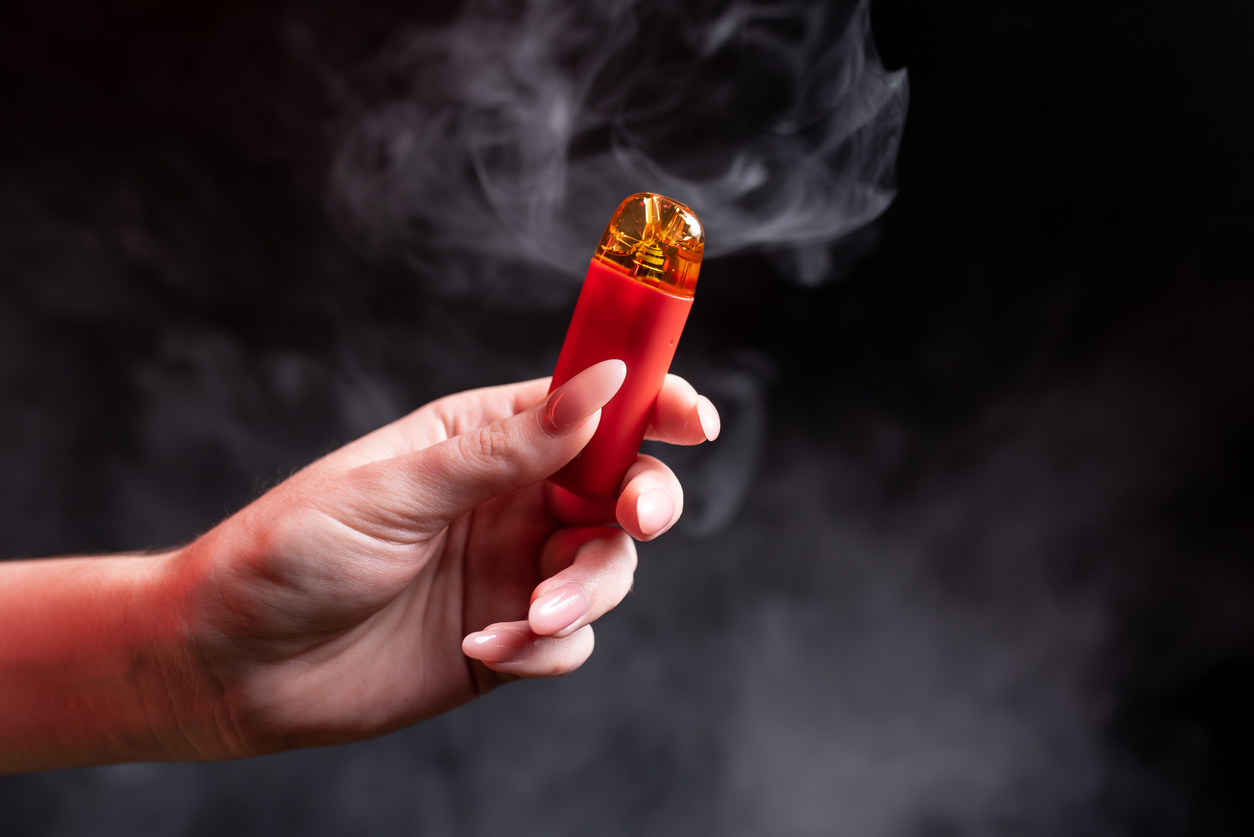
A pod vape system with replaceable cartridges (Photo: iStock)
The Tobacco and Vapes Bill has received Royal Assent, ushering in sweeping new measures aimed at delivering a “smoke-free generation” – but leading voices across the vaping sector have stressed the need for proportionate regulation to protect harm reduction for adult smokers.
The legislation, now the Tobacco and Vapes Act, introduces a phased ban on tobacco sales to anyone born on or after 1 January 2009, alongside new powers covering vape advertising, retail licensing, enforcement and smoke-free spaces. It also paves the way for a series of consultations on secondary measures, including vape flavours, packaging and product registration.
Chair of the Responsible Vaping APPG, Euan Stainbank MP, welcomed the Act as a landmark step, highlighting continued government backing for vaping as a smoking cessation tool. He reiterated the group’s stance that while non-smokers should avoid vaping, smokers should be encouraged to switch as a significantly less harmful alternative.
“We have been a critical friend of the Bill as it passed through Parliament and welcome the government’s commitment to a separate consultation on vape flavours and advertising, continued support for vapes as a vital smoking cessation tool for adult smokers, and new funding streams for trading standards,” Stainbank said.
“The Responsible Vaping APPG has been working with the government on this Bill, and we look forward to continuing to advocate for evidence-based policy as further, secondary legislation starts to come through.”
The Independent British Vape Trade Association (IBVTA) also acknowledged positives within the legislation, particularly stronger powers for Trading Standards and tougher action against illicit products and underage sales. However, the association emphasised the importance of maintaining access to effective vaping products for adult smokers.
“It will be important to balance the use of these powers with the needs of adults who can benefit from switching from smoking to vaping,” Gillian Golden, CEO of the IBVTA, said.
“The IBVTA looks forward to working positively and progressively with the government to ensure that vaping becomes less accessible and desirable to children, and to adults that would not otherwise be smoking.
“It is vital that more smokers understand that vaping is very much safer than smoking, and can help them to quit smoking for good.”
Meanwhile, manufacturers have raised concerns about potential unintended consequences. Asli Ertonguc, Head of BAT UK & Western Europe, warned that restrictions on advertising could limit adult smokers’ awareness of alternatives, potentially slowing progress towards a smoke-free UK.
“Helping adult smokers switch relies on ensuring they have access to clear, responsible information about smokeless alternatives. Restrictions on advertising nicotine products risks limiting that awareness and, in turn, slowing progress,” she said.
“The forthcoming consultations will be critical in shaping a regulatory framework that supports harm reduction for adult smokers, while maintaining robust protections for young people.”
ELFBAR’s director of government affairs, Eve Peters, voiced support for several measures in the Act, but cautioned that regulation must remain proportionate.
“We strongly believe the UK vape market should be properly regulated and support the introduction of retail licensing and the forthcoming vape tax, alongside the placing of vapes behind the counter and appropriate restrictions on packaging and flavour descriptors,” she said.
“Crucially, regulation must be proportionate, protecting children while clearly distinguishing between smoking and vaping so as not to deter adult smokers from switching to an effective quit aid.
“With over half of adult smokers already wrongly believing vaping is as, or more, harmful than smoking, disproportionate regulation risks further embedding misperceptions and undermining progress towards a smokefree UK.”
For retailers, the Act introduces on-the-spot fines of £200 for underage sales and allows local authorities to retain proceeds for enforcement activity – a move expected to increase compliance pressure across the channel. It also signals significant operational changes ahead, with licensing schemes and potential display restrictions on the horizon.
With Royal Assent secured, attention now shifts firmly to implementation. The upcoming consultations will be closely watched by the vape trade, as stakeholders seek to ensure the final regulatory framework supports responsible retailing while preserving vaping’s role as a key tool in reducing smoking rates.