UKVIA launches VapeVerify panel to challenge ‘bad vape science’ amid rising misperceptions

February 28, 2026
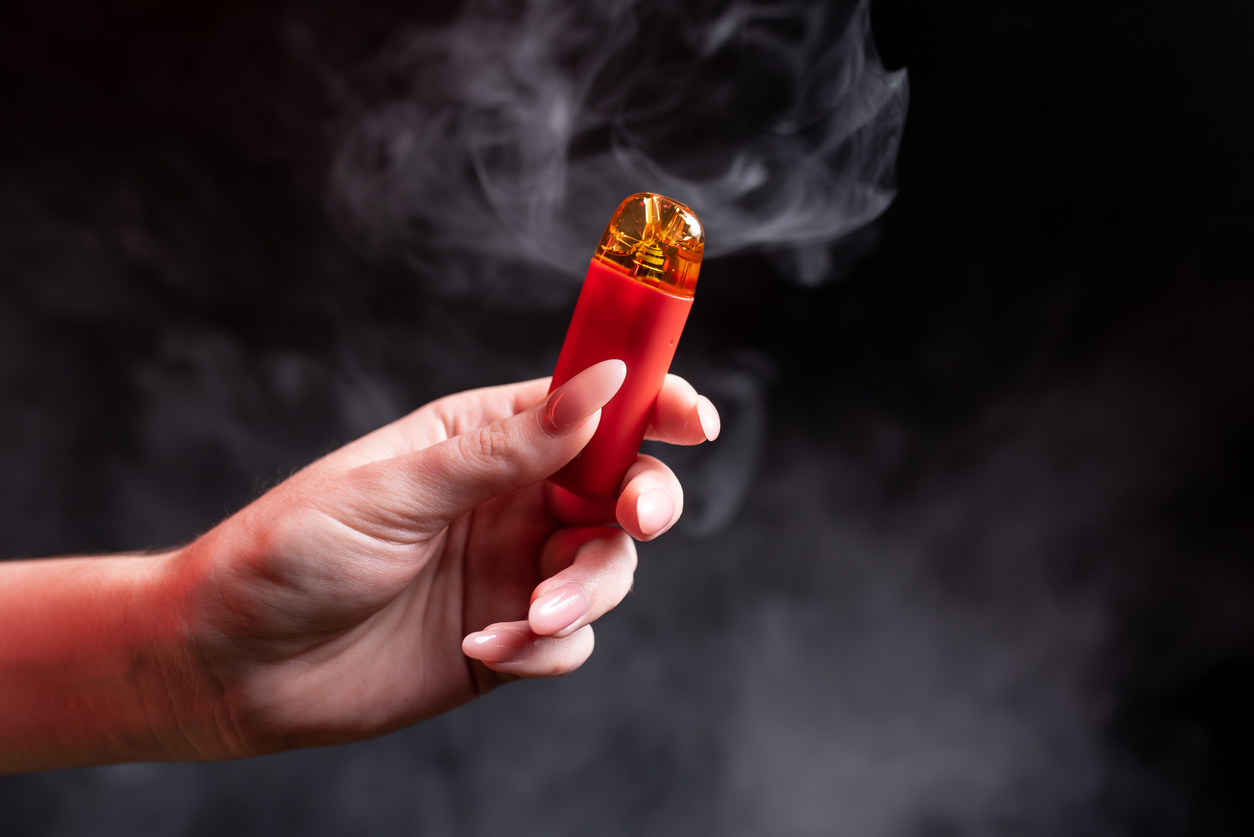
A pod vape system with replaceable cartridges (Photo: iStock)
A new expert panel has been launched to scrutinise vaping research and challenge what organisers describe as “bad science”, amid growing concern that misperceptions about vaping are undermining its role in smoking cessation.
VapeVerify, created by the UK Vaping Industry Association (UKVIA), brings together specialists in science, public health, toxicology and addiction to examine new studies and identify potential flaws. The initiative will assess issues such as poor methodology, misinterpretation of data and lack of transparency, with the aim of ensuring policy and public debate are shaped by robust evidence.
The move comes as public misperceptions about vaping risks reach record levels. According to the UKVIA, around half of smokers now wrongly believe vaping is as harmful as, or more harmful than, smoking.
The independent panel includes:
- Dr Marina Murphy – a PhD chemist, science communication specialist and Senior Director of Scientific Affairs at Haypp Group
- Sairah Salim-Sartoni – a chartered health psychologist and award-winning stop smoking expert
- David Lawson – a leading regulatory and compliance expert, qualified medical toxicologist and founder of Inter Scientific
- Dr Ian Fearon – a tobacco harm reduction specialist and Director of whatIF? Consulting
- Damien Bové – Member of the Institute for Clinical Research and Chief Regulatory Officer for ADACT Medical
- Dr Garrett McGovern – a GP specialising in addiction, clinical lead for the HSE Addiction Services and Director of Priority Medical Clinic
Dr Murphy said misinformation risked deterring smokers from switching to less harmful alternatives.
“Vaping has already helped millions of adults switch away from smoking – which needlessly claims 80,000 lives every year in the UK and remains a leading cause of preventable death,” she said.
“Sadly, there are potentially millions more who are unwilling to make the switch because they have been misinformed about the relative risk of smoking versus vaping. Guarding against bad science and unreliable research is the first step in correcting the narrative so vaping can have the strongest positive impact.”
She added that the panel aimed to ensure the public could make informed decisions, saying: “There is no public health without public knowledge.”
Alongside VapeVerify, the UKVIA has also launched VapeWatch, a media monitoring campaign that will challenge inaccurate or misleading reporting on vaping. The initiative will flag problematic coverage to the Independent Press Standards Organisation (IPSO).
The campaign will also run an ongoing ‘league table’ of the worst offending publications.
UKVIA Director General John Dunne said public perception would determine vaping’s long-term public health impact.
“We are at a crossroads. Vaping can either go down in the history books as a seismic force for public health good or a tragically missed opportunity,” he said.
“These two campaigns are designed to hold those who inform – or rather misinform – to account; because there’s too much at stake to let bad science and misleading news go unchecked.”
The launch comes amid a wider debate about how vaping evidence is interpreted and communicated within academic and public health circles.
A recent academic commentary analysing systematic reviews published between 2021 and 2025 found that 13 out of 16 reviews reported e-cigarettes were significantly more effective than comparators such as nicotine replacement therapy or placebo in helping smokers quit. However, only three of those reviews went on to recommend e-cigarettes as a cessation aid.
The authors described this pattern as “reverse spin bias”, where positive findings are acknowledged in the data but downplayed or not reflected in the conclusions.
The commentary’s findings highlight ongoing tensions between evidence and interpretation in vaping research, and echo concerns from harm reduction advocates that messaging around vaping’s relative risks remains inconsistent.
UKVIA said members of the public, researchers and healthcare professionals would be able to submit studies or media coverage to VapeVerify and VapeWatch for review. The association added that panel members are volunteers and do not receive funding for their participation.
The initiatives mark the latest effort by the UK vaping industry to influence the scientific and media narrative, at a time when regulation, public perception and the role of vaping in smoking cessation remain under intense scrutiny.