Glasgow station blaze sharpens focus on vape disposal duties for retailers

March 18, 2026
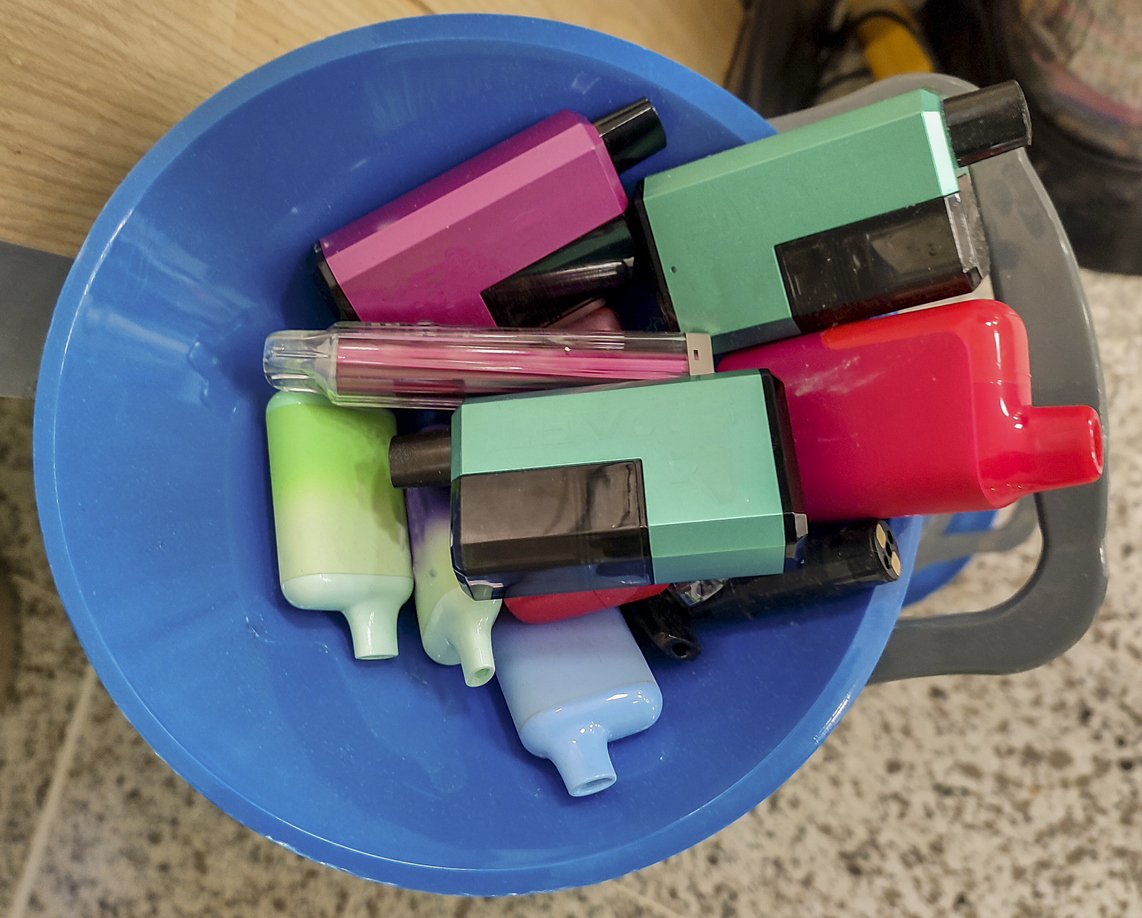
Discarded vapes collected in rubbish bin in Glasgow, Scotland (Photo: iStock)
A major fire that tore through a building at Glasgow Central Station earlier this month has renewed scrutiny of vape safety and disposal practices, as the industry continues to grapple with fire risks linked to lithium-ion batteries.
The blaze, which broke out on Union Street on 8 March, engulfed a vape shop before spreading through the B-listed Victorian structure. The building partially collapsed several hours later as firefighters battled the flames.
The incident comes amid ongoing warnings that fires linked to improperly discarded vapes remain a persistent problem, despite the UK’s ban on disposable devices introduced on 1 June 2025. Industry reports suggest the measure has not fully stemmed the issue, with a waste management operator telling the BBC in December that sites are still dealing with more than one fire a day.
At the centre of the problem are lithium-ion batteries contained within vapes. When crushed or damaged, particularly in bin lorries or waste facilities where rubbish is compacted, these batteries can overheat and ignite, posing significant risks to workers and the wider public.
The Glasgow fire has therefore prompted fresh calls for retailers to ensure compliance with Waste Electrical and Electronic Equipment (WEEE) regulations, which classify vapes as electrical waste and impose strict disposal requirements.
Under current rules, retailers selling more than £100,000 worth of electrical goods annually – whether in-store or online – must offer a takeback scheme, allowing customers to return used devices for safe disposal. Businesses that fall below this threshold can instead join the Distributor Take Back Scheme (DTS), contributing financially to local authority recycling services while informing customers where to dispose of waste.
Failure to comply carries substantial penalties. Retailers found continuing to sell banned disposable vapes face a £200 fine, escalating for repeat offences. However, breaches of WEEE obligations can result in fines of up to £5,000, or unlimited penalties in the most serious cases.
Mark Hall, WEEE expert at BusinessWaste.co.uk, said the Glasgow incident should serve as a wake-up call for the sector.
“While we are yet to hear what caused the large fire in Glasgow, it serves as a poignant reminder of the fire hazards associated with vapes,” he said. “The ban on disposable vapes was certainly a step in the right direction. While a reusable vape is still the preferred option, the lack of education on correct disposal means we’re likely to see vape-related bin and waste fires continue.
“With vapes technically classed as WEEE, we encourage retailers to inform customers about the correct disposal methods and either provide a takeback scheme or offer guidance in accordance with the DTS.”
Beyond fire risks, improper disposal also raises environmental concerns. Vapes sent to landfill can leak battery acid, nicotine and plastic chemicals into soil and water systems, adding further urgency to calls for responsible recycling.