Harm reduction campaigners slam FCTC ‘Dirty Ashtray’ award to New Zealand

December 3, 2025
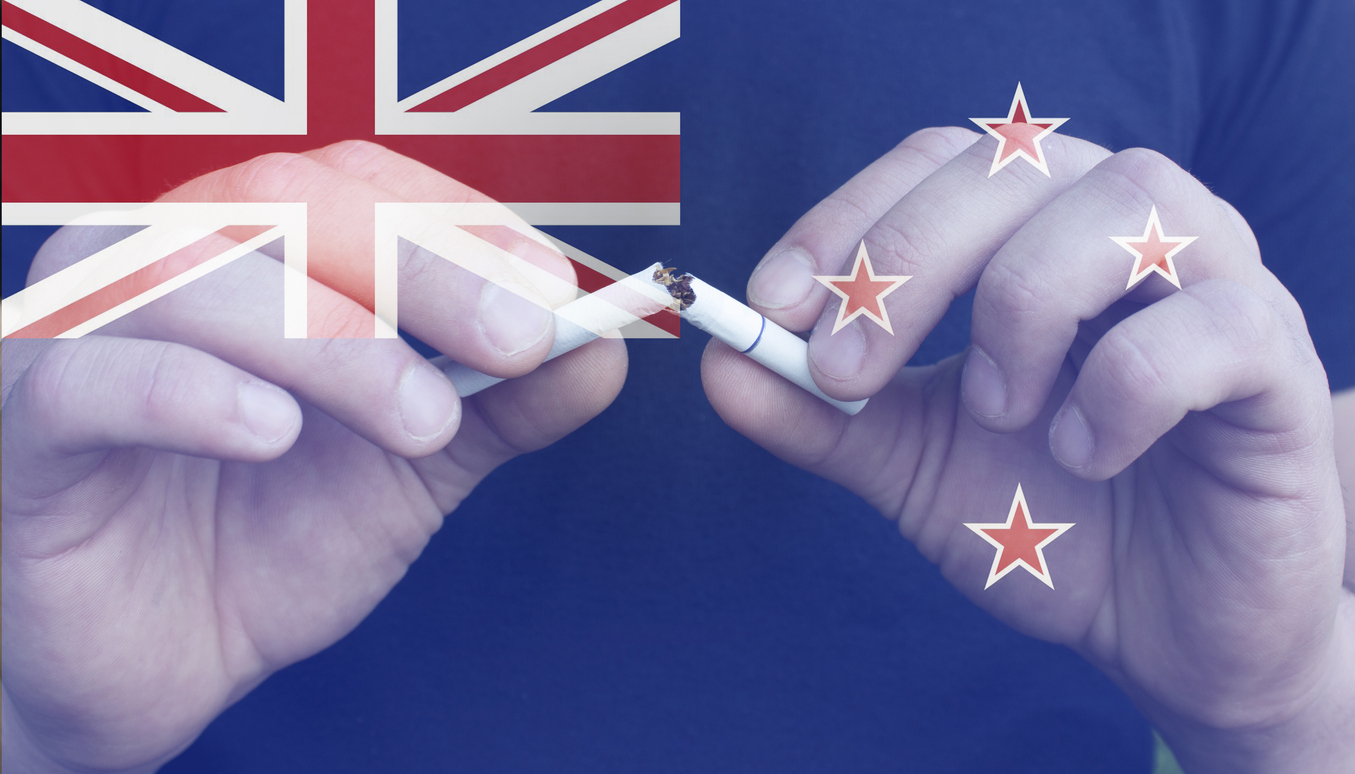
Photo: iStock
The Coalition of Asia Pacific Tobacco Harm Reduction Advocates (CAPHRA) has sharply criticised the World Health Organisation’s Framework Convention on Tobacco Control (FCTC) Secretariat over the ‘Dirty Ashtray’ award issued to New Zealand at COP11, accusing it of enabling “Bloomberg-funded prohibitionist NGOs” to steer global tobacco policy.
In a statement on 1 December, CAPHRA said the award – presented annually by the Global Alliance for Tobacco Control to governments deemed to have weakened tobacco control efforts – exposed “a fundamental corruption of the FCTC process,” claiming the treaty had strayed from its founding purpose of supporting countries to develop policies suited to their own contexts.
CAPHRA executive coordinator Nancy Loucas said the Secretariat had allowed “ideologically-driven NGOs to write unaccountable rules, then shame countries refusing compliance with a prohibitionist script disconnected from real-world health outcomes.” She added: “The suggestion that any country or advocate supporting harm reduction must be aligned with industry is unacceptable. It shuts down legitimate scientific discussion.”
New Zealand was singled out despite achieving one of the lowest smoking rates worldwide at 6.8 per cent. CAPHRA argues this reflects the success of regulated access to vaping and other alternative nicotine products. New youth data released on 30 November shows daily vaping among Year 10 students has fallen to 7.1 per cent from 10.1 per cent in 2022, while daily smoking has dropped to just 1 per cent.
New Zealand has simultaneously tightened youth protections, increasing penalties for illegal sales to minors and rolling out retail and disposal restrictions. CAPHRA said the ‘Dirty Ashtray’ ignored such nuance, instead rewarding “rhetoric alone” from countries with far higher smoking rates.
The group also pointed to divisions at COP11, noting that countries including Canada, Sweden, Germany, Serbia and several small nations backed transparency, consumer engagement and science-based policymaking. Loucas said harm-reduction-supporting delegations were being dismissed under “ideological purity tests,” while independent research – including evidence that nicotine pouches are far less harmful than smoking – was being sidelined.
CAPHRA has called on the FCTC Secretariat to “enforce treaty obligations” and prevent NGOs from “framing harm reduction as an industry tool,” urging a return to evidence-based policy.
“Not all products carry the same risk, and not all countries face the same challenges. Treating every viewpoint that is not prohibition as suspicious makes it impossible to design effective, proportionate policies. Innovation, updated evidence, and diverse contexts must guide public health – not Bloomberg’s agenda,” Loucas said.
With smoking still responsible for eight million deaths annually, CAPHRA warned the FCTC faces a choice: “serve public health or serve prohibitionist gatekeepers.”