England consults on banning vaping in playgrounds, schools and hospitals

February 17, 2026
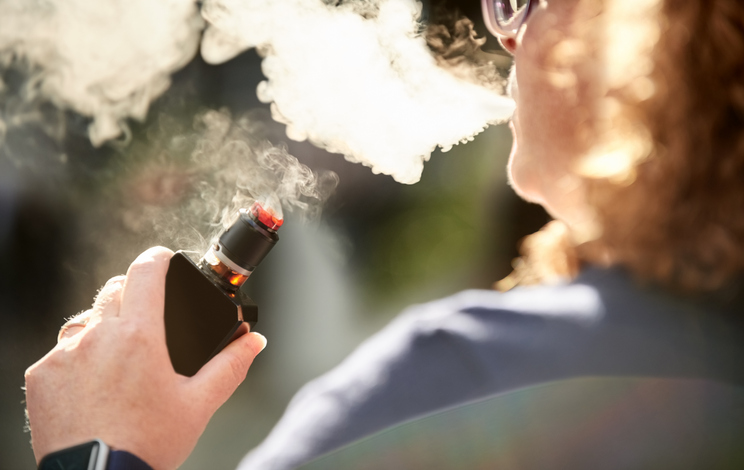
Photo: iStock
The UK government has launched a consultation on plans to ban smoking, vaping and heated tobacco use in playgrounds, education settings and hospital grounds in England, as part of its drive to protect children and vulnerable people and create a smoke-free generation.
Under proposals announced on 13 February, public playgrounds, schools and areas outside healthcare locations would become smoke-free and heated tobacco-free. Indoor spaces, where smoking is already prohibited, could also become vape-free and heated tobacco-free, subject to consultation.
However, outdoor hospitality areas such as pub gardens, as well as private homes and private outdoor spaces, would be excluded.
Health and social care secretary Wes Streeting said the measures are aimed at preventing harm and easing pressure on the NHS.
“No child in a playground or hospital patient should suffer because someone else chooses to smoke,” he said. “Prevention is better than cure, so this government is taking pressure off the NHS and building a healthier Britain where everyone lives well for longer.”
The consultation forms part of the government’s wider 10 Year Health Plan and is linked to the Tobacco and Vapes Bill currently progressing through Parliament, which aims to create a smoke-free generation.
Business minister Kate Dearden stressed that the proposals were targeted and designed to avoid damaging the hospitality sector.
“These are targeted proposals to protect children and families from second-hand smoke and vaping, without placing extra pressure on pubs, restaurants or the wider hospitality sector,” she said.
“We have been clear that we will support businesses, and after listening to their concerns, we have excluded outdoor hospitality spaces from these changes.”
The consultation will also explore how restrictions would be implemented, including outdoor boundaries, designated smoking areas and enforcement, with at least six months’ notice before any new rules take effect.
Mixed reaction from scientists and policy experts
Public health experts broadly welcomed extending smoke-free protections but cautioned that vaping should be treated differently from smoking.
Prof Caitlin Notley, professor of addiction sciences at the University of East Anglia, said smoke-free legislation had been crucial in protecting vulnerable groups and reducing smoking uptake among children.
However, she noted that vaping plays an important role in smoking cessation and warned against unintended consequences in healthcare settings.
“For adults who smoke tobacco, vaping is a highly effective way of stopping smoking. This can be a life-saving intervention,” she said, adding that permitting vaping in some NHS settings could support quitting efforts among long-term patients.
Dr Sarah Jackson, principal research fellow at UCL’s Tobacco and Alcohol Research Group, also backed stronger smoke-free protections but said policies should reflect the lower risks associated with vaping.
“Smoking involves combustion and produces thousands of chemicals, many of which are carcinogenic, while vaping is substantially less harmful and effective for helping people quit,” she said.
She added that exposure to second-hand vapour results in significantly lower nicotine absorption compared with tobacco smoke and that regulation should be “proportionate and reflect the lower risks of vaping compared with smoking.”
Criticism from free-market group
However, the proposals drew strong criticism from some commentators.
Christopher Snowdon, head of lifestyle economics at the Institute of Economic Affairs, argued there was no justification for banning e-cigarette use and warned of unintended consequences.
“If vapers have to go outside with the smokers to get a hit of nicotine, they might as well smoke – or stay at home,” he said, urging vapers to respond to the consultation.
The government consultation is now open to public feedback, with responses expected to help shape final regulations affecting vape use in public spaces across England.